Who outpatient care fits
Outpatient treatment is for adults who can live at home and come in on a set schedule. You keep your own routine outside program time. It asks for consistency over weeks, not a single visit.

Locations
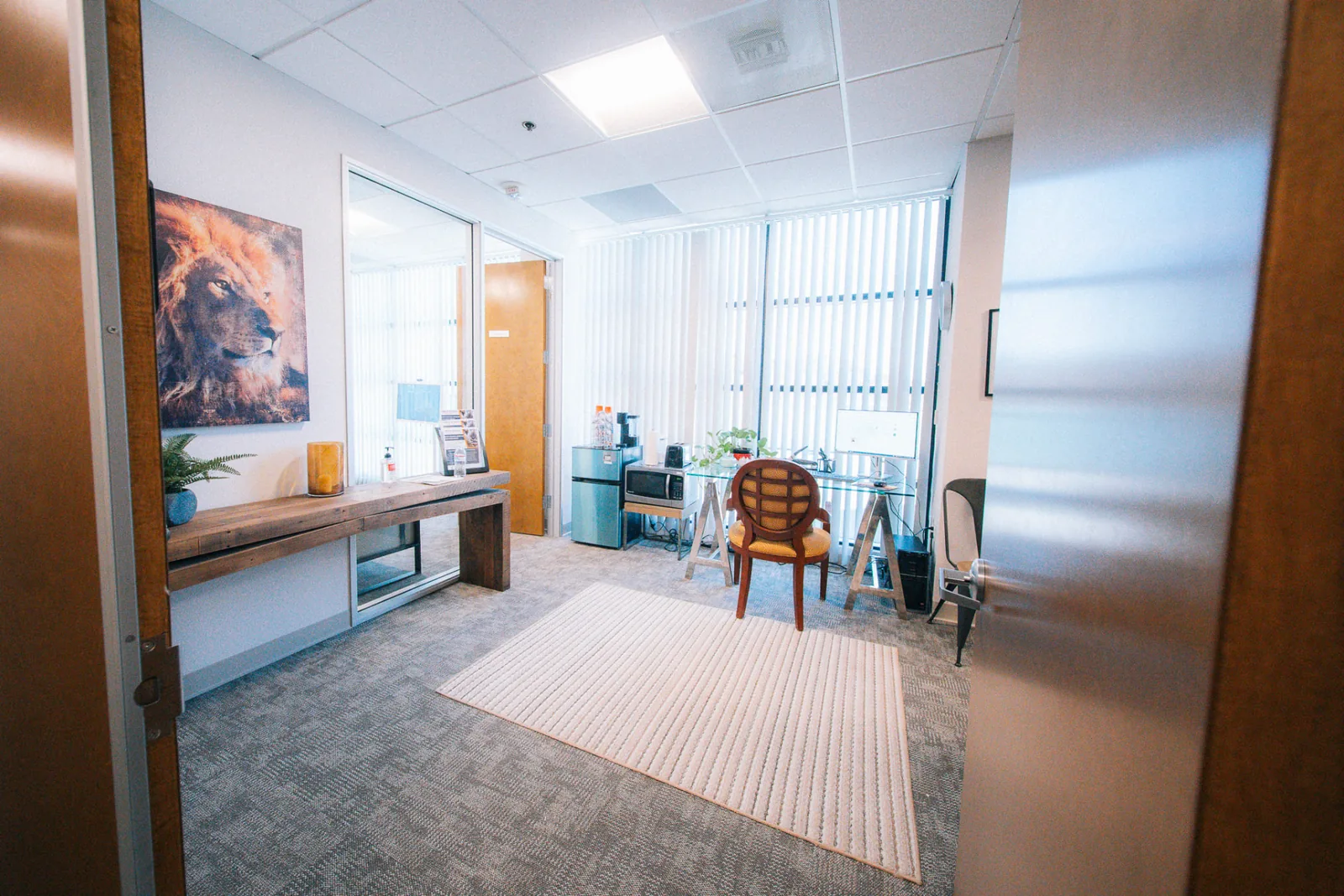
This is our only location: One Pointe Drive, Suite 620A, Brea, CA. When people from Fullerton, Anaheim, La Habra, Placentia, or Yorba Linda come to us in person, this is where they come.
Our hours are 9am to 3pm.
We are DHCS-licensed — license #300302AP.
Our secure contact form is provided by Hushmail. Loading it connects your browser to hushforms.com, which may set its own cookies under the Hushmail privacy policy (opens in a new tab).
Loading the form saves that choice in this browser; you can change it any time in Cookies & privacy.
Open the secure form on Hushmail's site (opens in a new tab)
Outpatient treatment is for adults who can live at home and come in on a set schedule. You keep your own routine outside program time. It asks for consistency over weeks, not a single visit.
This matters more than the list of what we do.
If any of those is what you need first, it comes from a medical provider rather than from us. Many people handle that elsewhere and then start outpatient care. Not everyone needs that step, and a clinical assessment is what sorts out which order makes sense.
Call 911 for a medical emergency or if someone is in immediate danger.
Call or text 988, the Suicide & Crisis Lifeline, for suicidal thoughts or emotional distress.
For withdrawal symptoms, or any other medical concern about stopping, contact a qualified medical provider or an emergency department.
We are not a 24-hour program and we are not an emergency service, so please use those numbers rather than waiting to hear from us.

We are DHCS-licensed — license #300302AP, on record with the California Department of Health Care Services.
Our program is also accredited by The Joint Commission, an independent, nonprofit accrediting organization. A license describes what a program is authorized to do. It is not a promise about how treatment will turn out, here or anywhere else.
PHP is the more intensive of our two outpatient levels. It is still outpatient. You live at home, come in for structured programming, and go home afterward. People often start here when they need more hours of structure in the week than IOP provides, or when they are stepping down from a higher level of care elsewhere.
IOP is structured group and individual work on a set schedule, with the rest of your life continuing around it. You live at home. You come in for program time and go home afterward.
Alongside group and individual work, the program includes individualized case management, weekly therapy, recovery and relapse-prevention education, and life-skills and wellness support. Case management covers the practical side of recovery: healthcare, employment, education, housing, community resources, and building a support system that holds up outside program hours.
Care begins with an individualized assessment of your needs, strengths, challenges and goals. The therapeutic approaches include cognitive behavioral therapy, dialectical behavior therapy, trauma-informed care, and 12-Step facilitation.
The program is deliberately small. That is the point of it. A smaller setting means the team can know the people it serves as individuals and adjust as things change, rather than moving everyone through the same track.
Telehealth is available for people located in California, using Zoom. Whether it fits your situation is something we work out together.
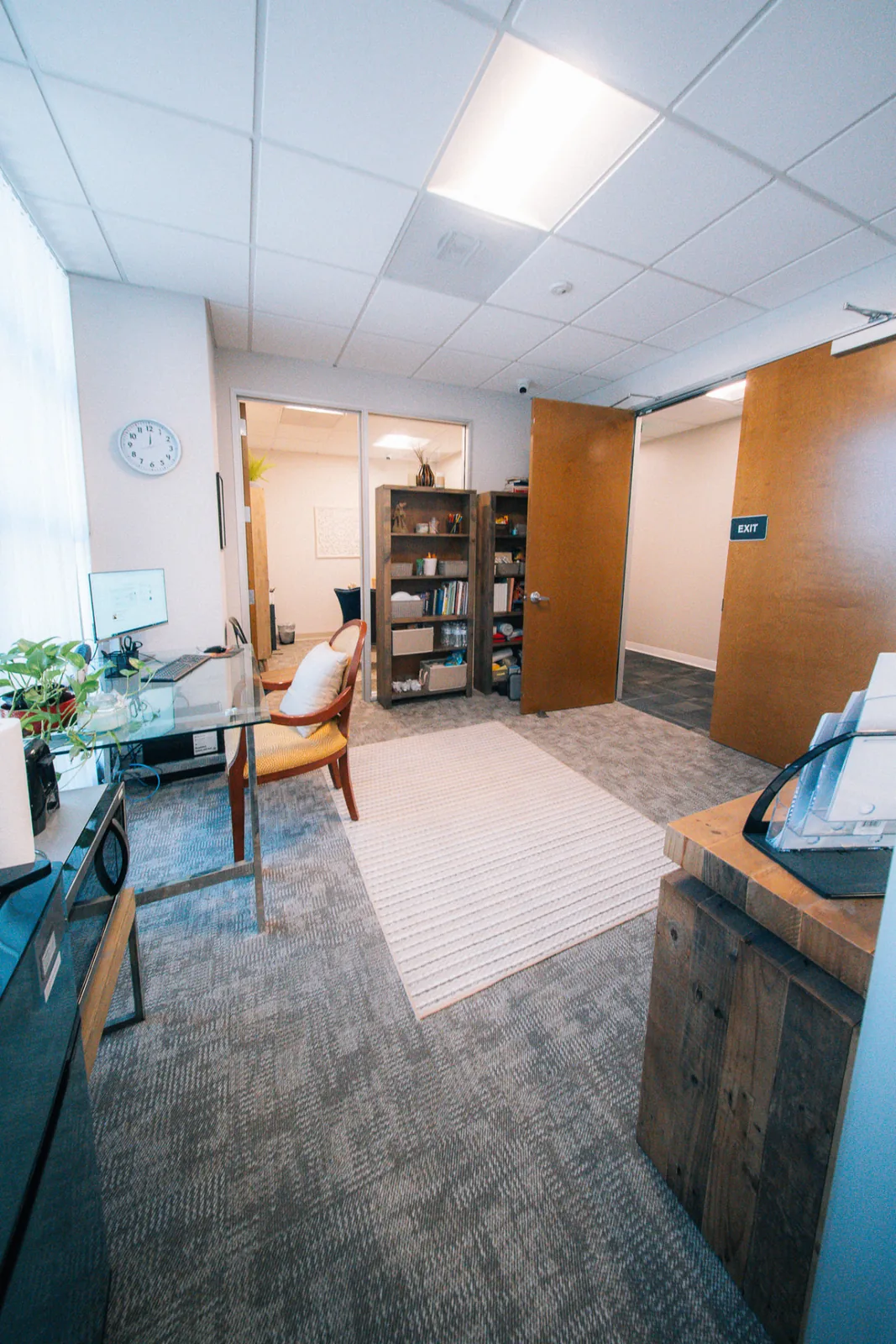
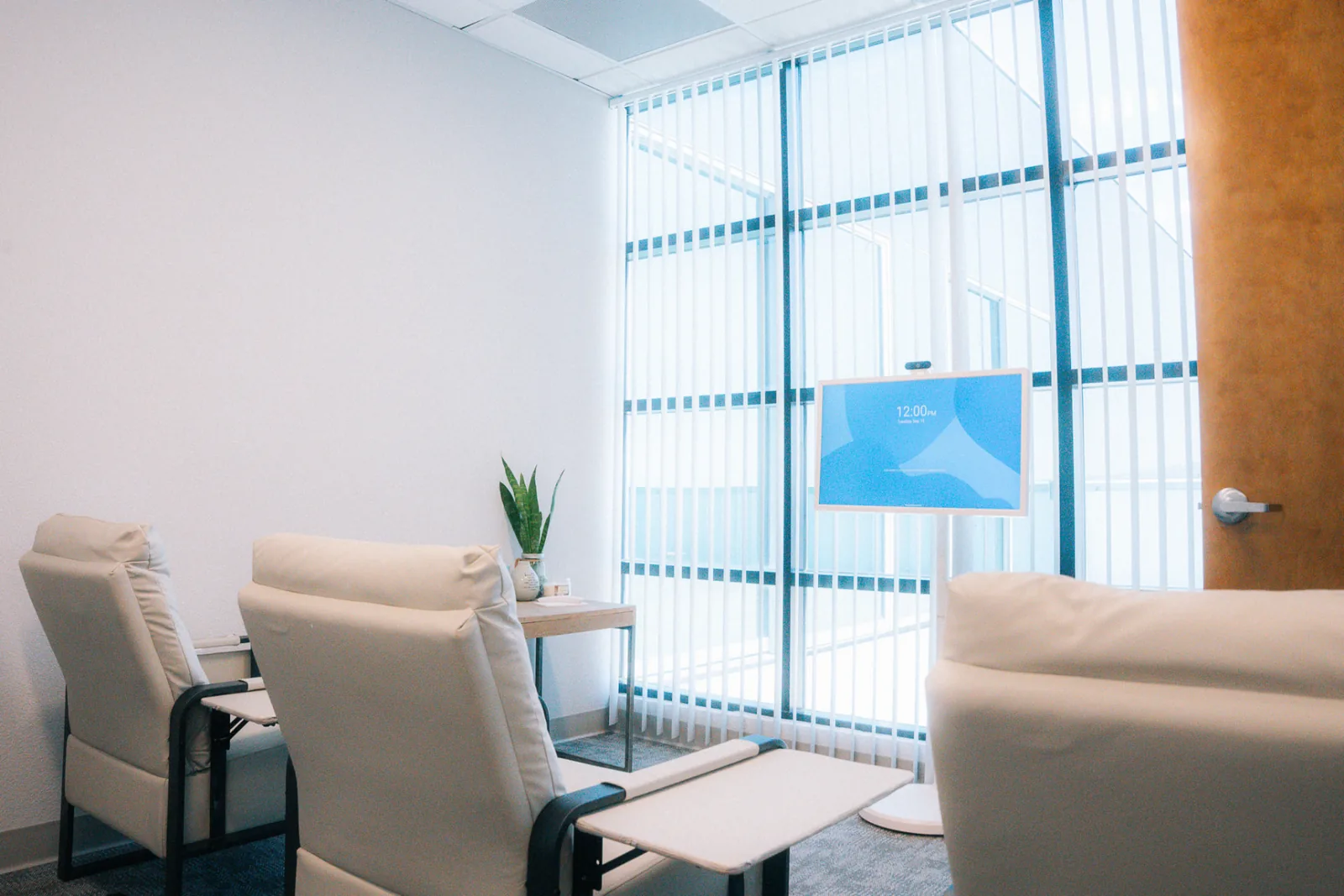
Our building
A short, silent walkthrough of the Brea building and the rooms inside it.
Yes. DHCS-licensed — license #300302AP, on record with the California Department of Health Care Services. Our program is also accredited by The Joint Commission.
The payment options listed as accepted are Blue Shield, Cigna, Aetna, Tricare and private pay. What your own plan covers is a separate question that depends on the plan itself, so ask us about your situation and we will talk it through.
Where you are at the start is part of what gets assessed, and not everyone needs detox first. If you are physically dependent on alcohol or on benzodiazepines, stopping without medical supervision can be dangerous, so that part belongs with a qualified medical provider.
Since 2013.
Trauma-informed care is part of how the program works, and many people we serve have trauma histories. What that means in practice is discussed in your assessment rather than assumed.