Alcohol Addiction
Alcohol addiction treatment here prepares clients for work dinners and family gatherings where alcohol is served. We help each client plan what to say and do in those moments, and medication for alcohol use disorder stays in place.


Grant Me The Courage Recovery and Therapy offers outpatient drug and alcohol rehab in Brea at several levels of care. Adults with any substance use disorder start at the level their assessment recommends and move to fewer treatment hours as their progress in rehab allows.
With individualized addiction treatment, each plan reflects the substances involved and the client's own goals, and our clinical team reviews progress as treatment continues.
We treat every substance use disorder, including cocaine, marijuana and kratom, and the use of more than one substance. Our therapists shape each plan around the withdrawal and overdose risks tied to that substance.
Alcohol addiction treatment here prepares clients for work dinners and family gatherings where alcohol is served. We help each client plan what to say and do in those moments, and medication for alcohol use disorder stays in place.
Clients recovering from heroin or prescription painkillers receive opioid addiction treatment, including clients on medication-assisted treatment (MAT). That medication continues through every level of care, and therapy sessions address the physical pain or emotional stress tied to opioid use.
Because tolerance drops after time sober, fentanyl addiction treatment includes overdose safety planning for every client. Fentanyl can hide in other street drugs, so therapy sessions also cover the risk of using any drug from an unknown source.
In early recovery, meth addiction treatment helps clients rebuild a daily routine and manage strong cravings. Clients with past meth-related paranoia or hallucinations join once medically and psychiatrically stable, and our therapists track mood changes through the first weeks.
For Xanax (alprazolam) misuse, benzodiazepine addiction treatment teaches coping skills for anxiety and panic, with a detox referral first when needed. Clients practice those skills in group, so a stressful day no longer leads straight to a pill.
Without blame for how it began, prescription drug addiction treatment supports clients whose Adderall (amphetamine) or sedative use grew beyond the prescription. Progress updates reach the prescribing doctor, and therapy covers the work pressure or exhaustion behind the misuse.
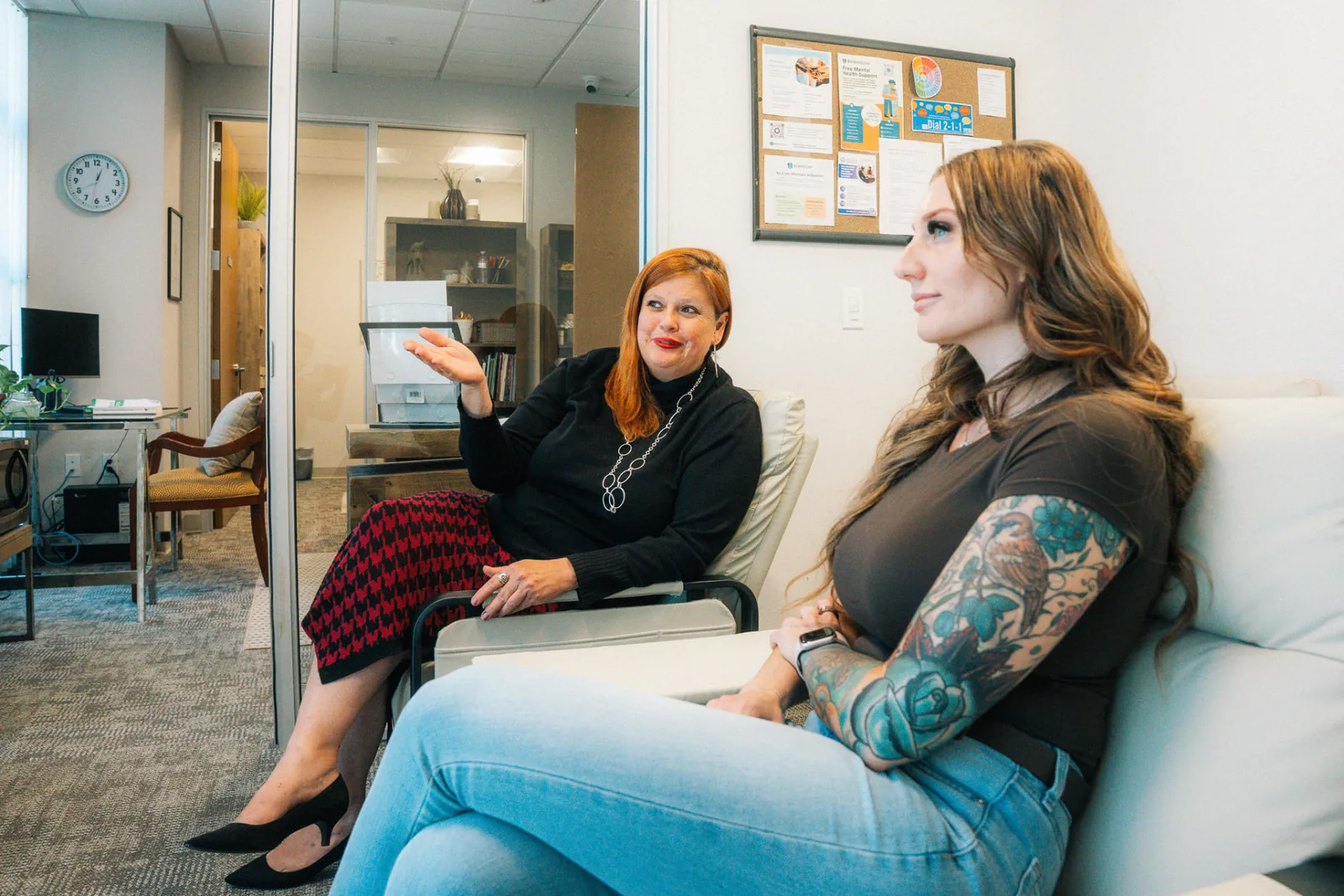
Our intensive outpatient program is licensed by the State of California (DHCS License #300302AP). Grant Me The Courage Recovery and Therapy is also accredited by The Joint Commission, a national group that checks the safety and quality of care. Families can look up both on the state and Joint Commission websites.
Our mission is to treat the whole person, so recovery covers work and relationships, not only stopping substance use.
Our outpatient addiction treatment ranges from full treatment days to weekly sessions, and each client's progress sets the timing for moving between levels.
The most intensive level of care here is the Partial Hospitalization Program (PHP), with full treatment days for about 30 days. Clients attend groups and individual therapy during the day and return home each evening. PHP fits clients stepping down from detox or residential care.
Five days a week, three hours a day, our Intensive Outpatient Program (IOP) runs for about 60 days. Group sessions and individual therapy continue, with more free time for work or family.
Weekly outpatient therapy gives adults with mild to moderate substance use steady treatment without daily sessions, and relapse prevention goals stay part of every visit. When drinking or drug use between sessions calls for more support, clients step up to a more structured level with the same team.
Live Zoom sessions bring telehealth addiction treatment to clients with long drives or busy schedules, when clinically appropriate and permitted under California rules. Individual therapy and groups come from the same therapists who see clients in person. People outside California receive referrals to care near home.
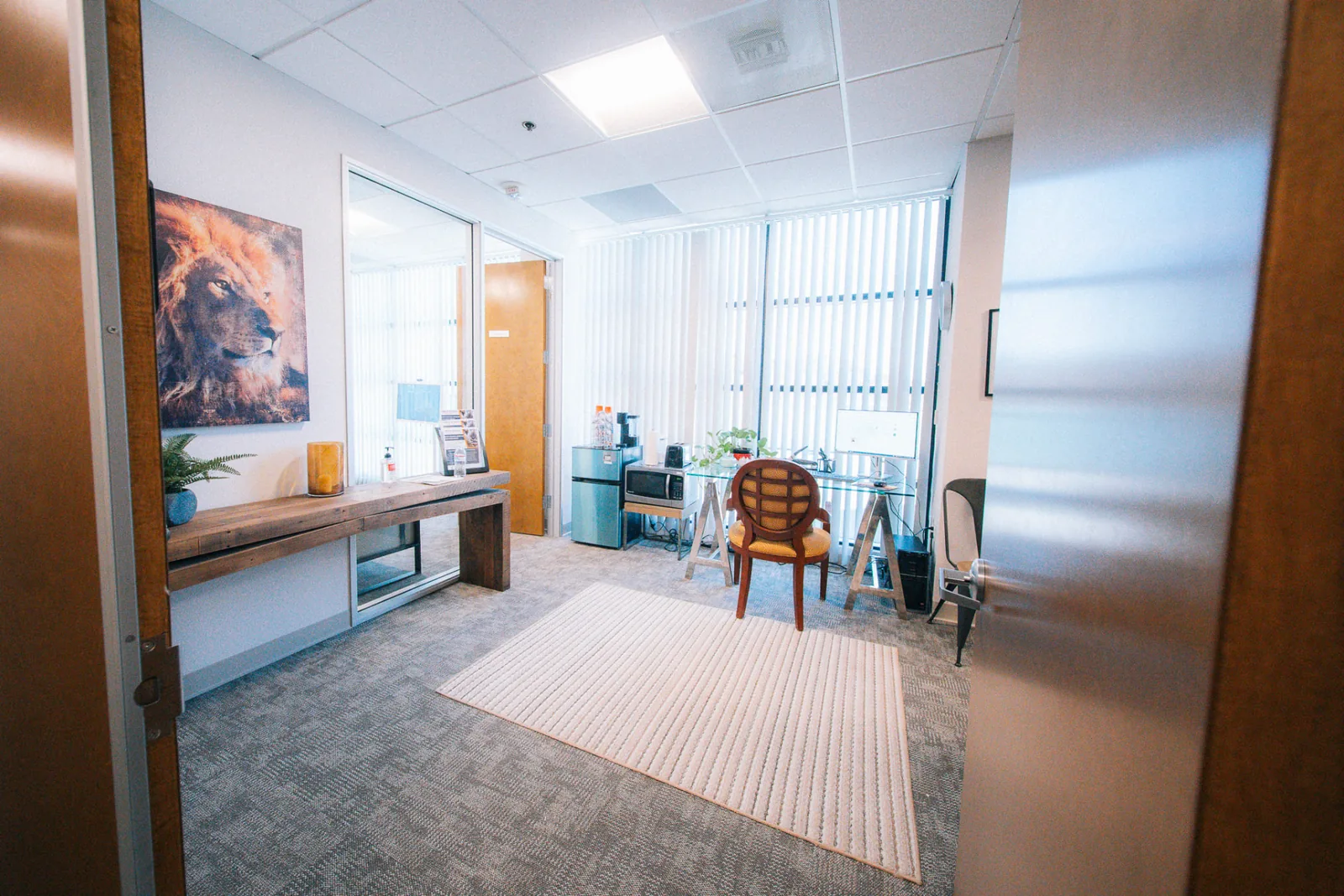
Mental health conditions stay part of the same treatment plan as substance use in our dual diagnosis addiction treatment. That includes depression and anxiety, along with trauma-related symptoms. Therapists teach emotional regulation skills that clients practice in group and individual sessions.
For psychiatric evaluations and medication management, our team coordinates with outside psychiatric providers and shares progress updates with them throughout treatment.
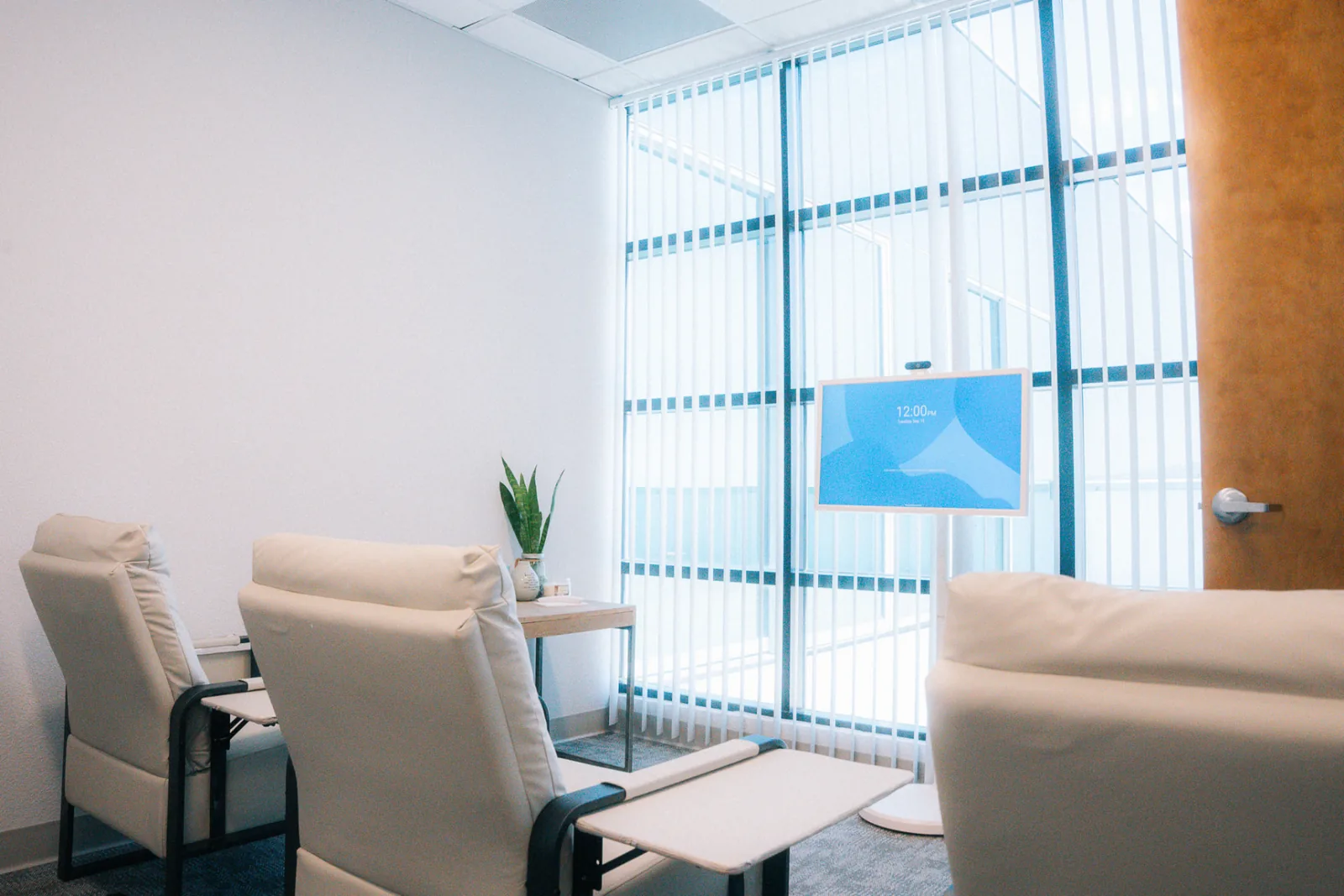
Before discharge, our team develops an aftercare plan with each client, built around a relapse prevention plan and recovery support in the community. When a client needs step-down care after treatment with us, our team refers them to Foothill Behavioral Health Consultants or Radiant Path Therapy and Psychiatry for continued therapy or psychiatric care.
Alumni support comes through our case management team, which follows up with former clients after discharge and connects them with recovery support meetings and community resources.
Clients here move between levels of care without changing therapists or retelling their history to someone new. A relapse leads to an updated plan and, when clinically appropriate, a step back up to a higher level of care. Clients who relapsed after treatment elsewhere start with our team without judgment.
Case management stays with each client from admission to discharge in outpatient drug rehab, connecting them with transportation resources and housing assistance along with job and healthcare resources.
Starting outpatient rehab takes four steps, and our admissions team guides clients and family members through each one. The first two steps happen by phone or text, so a client knows the likely costs and the next step before visiting our center.
A free, confidential consultation starts with a call or text to admissions. Questions cover substance use and goals, and admissions explains each level of care before the next step.
Insurance verification comes next, and admissions coordinates any prior authorization the plan requires. Start dates depend on that approval and program availability, and admissions shares the timeline once both are in place.
Our associate therapist completes a biopsychosocial evaluation of your health and substance use history. Using DSM-5 and ASAM Criteria, our team then recommends your starting level of care and any detox or psychiatric referral needed first.
On the first day, our therapists explain the schedule to each new client and introduce them to the group. Sharing in a group stays optional at first, and therapists answer new members' questions after the first group.



We accept Blue Shield and Aetna plans. We also take Cigna plans, and Tricare covers military members and their families. Private pay is an option for clients without insurance. Before treatment starts, admissions explains deductibles and out-of-pocket costs. Verify your insurance online, and admissions follows up with a summary of your benefits.
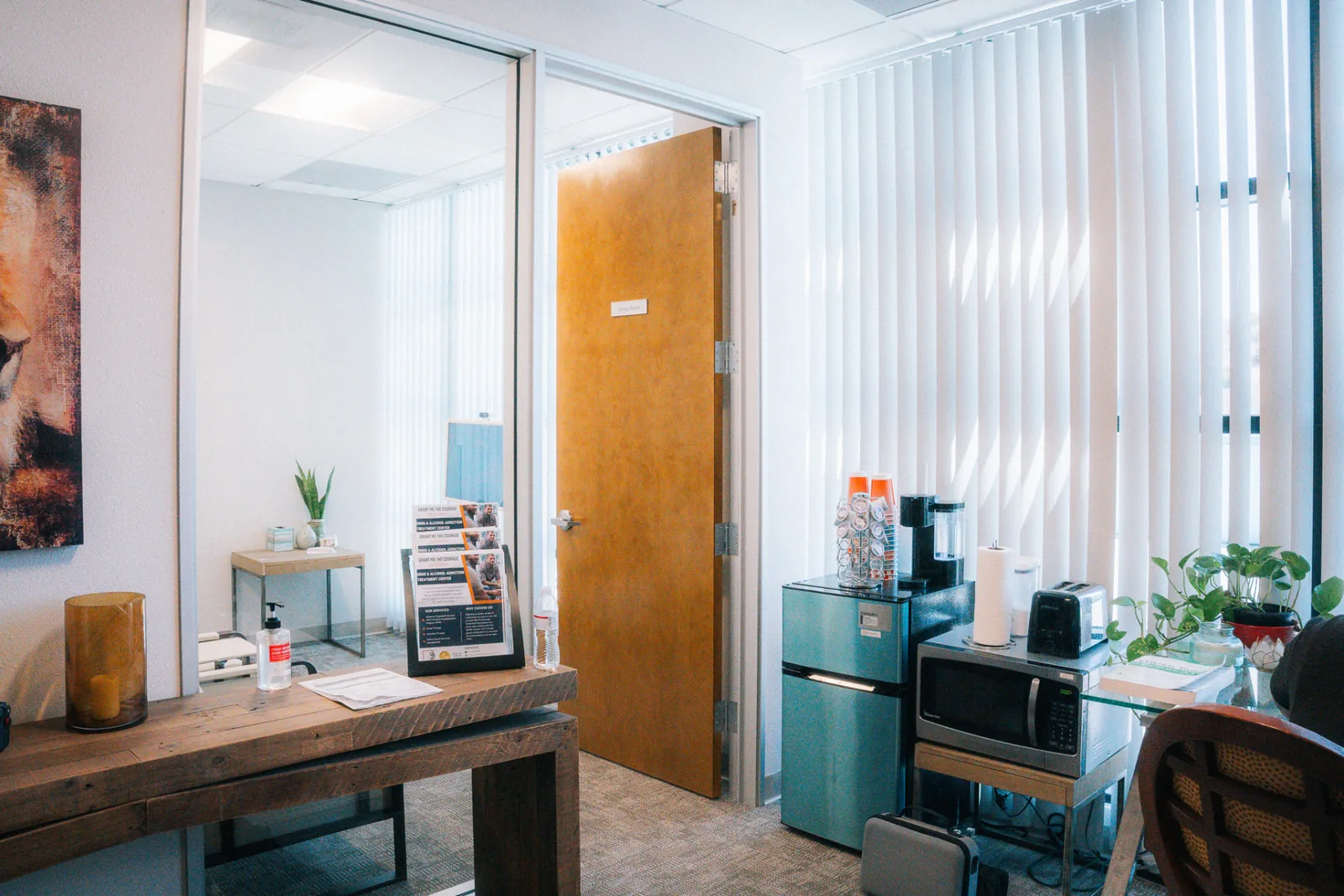
Every therapy here follows evidence-based practice. Our therapists choose which therapies fit each client based on personal goals and history.
Relapse prevention and life skills lead the topics in group therapy, run by our clinical team. Members share experiences and hold one another accountable between sessions.
Once a week, each client meets privately with the same therapist for individual therapy. Sessions address personal history and painful emotions, and they set the goals that guide the treatment plan.
In CBT addiction treatment, our therapists help clients identify the negative thoughts that lead to drinking or drug use and check whether those thoughts are accurate. Clients practice coping and problem-solving skills in session, then apply them between visits through short assignments.
For clients overwhelmed by strong emotions, DBT addiction treatment teaches skills that help them stay calm during cravings or conflict without drinking or drug use.
Beyond therapy sessions, a set of core practices guides every client's care at our program.
Trauma-informed addiction treatment runs through every group and session here. Clients decide when to share painful experiences, and therapists slow a session down when distress shows.
Our 12-Step addiction treatment teaches honesty and asking for help, and clients practice both alongside their CBT and DBT skills. We also invite every client to try 12-Step meetings or another community recovery group, and our team helps them find one that feels right for their beliefs and goals.
Relapse prevention helps clients recognize triggers and early warning signs before a lapse. Life skills sessions cover communication and healthy boundaries.
Overdose safety planning is part of each relapse prevention plan. Clients and their families receive naloxone (Narcan) education and training, along with referrals to community resources that provide naloxone kits.
Drug and alcohol screening helps our team track progress within each treatment plan. In-person clients test on site, and telehealth clients test at an approved local lab when the treatment plan requires it.
Our team brings together licensed therapists and certified addiction counselors, with a licensed marriage and family therapist (LMFT) as clinical director. Each member holds a current California credential for therapy or addiction counseling, and four clinicians make up our core team:
8 years of experience. Oversees clinical care at every level and specializes in dual diagnosis care for anxiety and depression.
10 years in addiction recovery services. Leads case management and runs groups on emotional regulation and practical recovery skills.
Provides individual therapy that addresses both mental health and substance use needs identified at intake.
12 years in chemical dependency treatment. Leads recovery groups built on CBT, DBT skills and 12-Step principles.
"The therapists at this rehab take time to understand what each client is working toward, and group sessions felt welcoming from the first week. The program gave me practical skills I use every day."
"Before I started addiction treatment, admissions explained the difference between PHP and IOP clearly and answered every question. My insurance was verified before my first day, so there were no surprises."
"From my first day in outpatient addiction treatment at Grant Me the Courage Recovery, the team made me feel welcome. Driving in from Yorba Linda, I always knew the people waiting for me knew my story and cared about my progress."
Our addiction treatment center serves clients from these cities, in person or by Zoom when outpatient rehab by telehealth is clinically appropriate. The first conversation with admissions can take place by phone from any of them:
Addiction treatment at Grant Me The Courage Recovery and Therapy begins with a free, confidential evaluation in Brea, and our admissions team is ready when you call or text to schedule a consultation. During that conversation, our team listens to what is happening in your life and explains your next step toward a clinical assessment. To check coverage first, verify your insurance online.
Not always. Our team generally recommends medical detox before outpatient care, but each client is assessed individually. When the assessment shows no need for medical detox, a client can begin PHP or IOP right after it. When detox is needed, our team coordinates a referral to a detox provider first.
It depends on the level of care. IOP's three-hour days, weekly outpatient therapy and telehealth sessions leave room for some work schedules. PHP's full treatment days usually mean time away from work for about a month. Case management helps clients plan around job and family duties, including leave when it is needed.
No. Clients can call our admissions team directly without a doctor's referral. Some HMO insurance plans require a referral before they pay for outpatient rehab, and admissions checks for that requirement during insurance verification, so clients know about it before the start date.
Yes. Treatment records stay private, and information goes to an employer or family member only with the client's written consent. Each consent form names who may receive information, and the client can withdraw it at any time. Admissions explains these privacy rights during the first call.
Yes. Clients taking medication-assisted treatment, ADHD medication or psychiatric medication are welcome once our clinicians review the medication list. Our team stays in contact with the prescribing doctor, and any change to a medication remains that doctor's call.