
Grant Me The Courage Recovery and Therapy
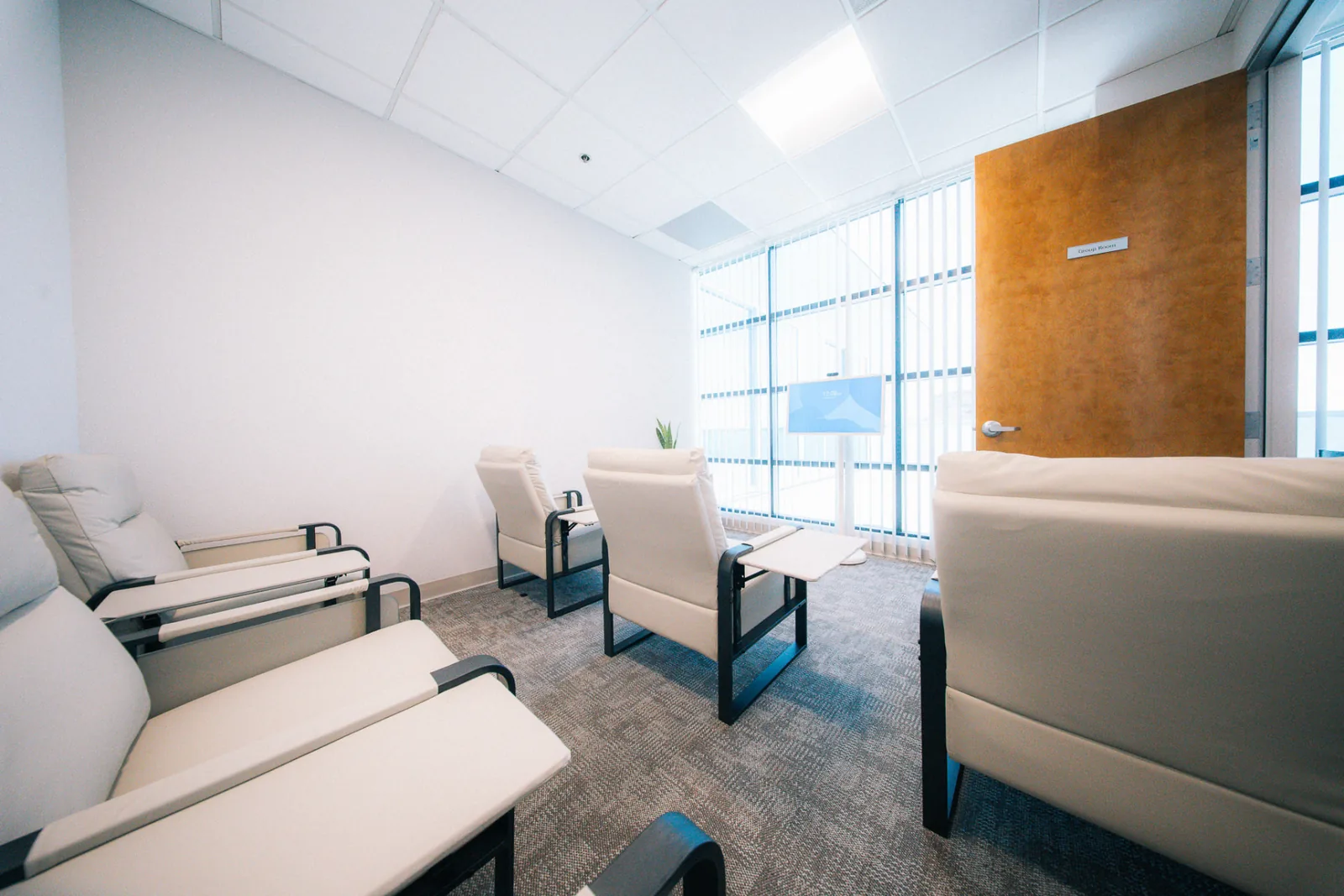
Seating arranged in the group room at the GMTC Brea facility

Programs

Weekly Outpatient Therapy for Addictions in Brea, CA

Grant Me The Courage Recovery and Therapy provides weekly outpatient therapy for drug addiction and alcohol use in Brea for adults who need treatment that fits around a job or family. Each visit gives you private time to work on cravings and the stress behind your use. Sessions take place in person or by Zoom from home, and your first assessment is free and confidential.

Get in Touch With Us

Our secure contact form is provided by Hushmail. Loading it connects your browser to hushforms.com, which may set its own cookies under the Hushmail privacy policy (opens in a new tab).

Loading the form saves that choice in this browser; you can change it any time in Cookies & privacy.

Open the secure form on Hushmail's site (opens in a new tab)

01

Standard Outpatient Care at ASAM Level 1

Our standard outpatient program is ASAM Level 1 care, the least intensive level of care we offer, with weekly sessions led by our addiction-trained therapists. Our supportive outpatient program also treats co-occurring anxiety or depression that comes with substance use.

Signs You Need Weekly Addiction Therapy

Weekly addiction therapy gives people steady treatment as soon as alcohol or drugs start to affect work or relationships. When withdrawal brings tremors or heavy sweating, our team first arranges a detox referral and welcomes you back once you are stable. These common signs of addiction come from the DSM-5 criteria our clinicians follow, and two or more within a year can point to a substance use disorder (SUD):

  • Drinking or drug use goes further or lasts longer than planned
  • Promises to use less end within days
  • A large part of each week goes to finding alcohol or drugs, using them and recovering afterward
  • Strong cravings arrive with the same triggers
  • Work or home duties fall behind because of alcohol or drugs
  • Arguments with family or friends keep coming back to your drinking or drug use
  • Plans you once enjoyed now come second to drinking or using
  • Your usual amount of alcohol or drugs no longer has the same effect (tolerance)
  • Health or mood problems worsen, and the drinking or using still continues
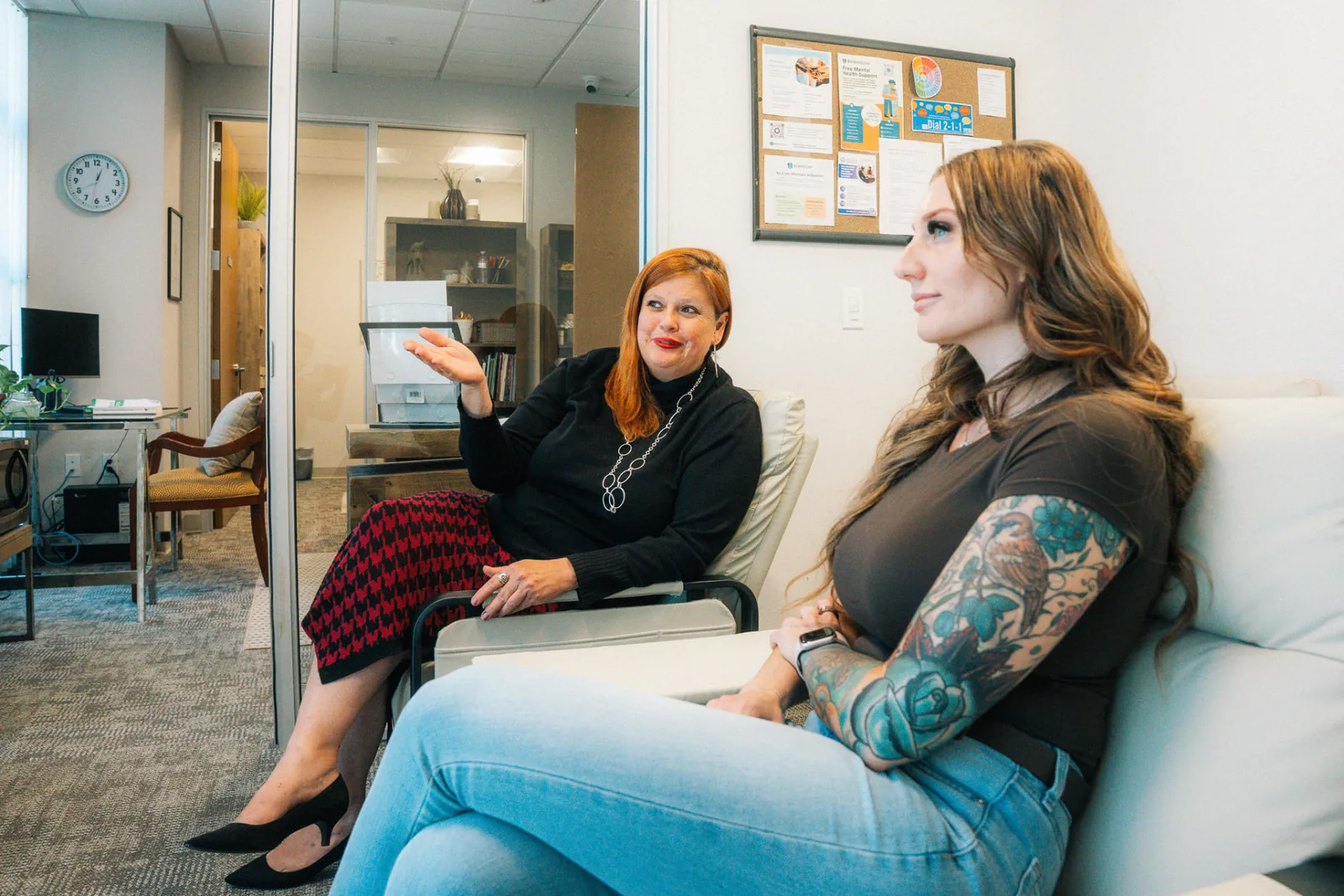
Two people talking at the GMTC Brea facility

Who Our Outpatient Addiction Program Serves

Our weekly program serves adults 18 and older with busy schedules and early or mild-to-moderate substance use. It works best alongside a safe, substance-free place to live and people who encourage your recovery. With no overnight stay, outpatient care also avoids the room and board costs of residential treatment.

Adults With Full-Time Jobs

Weekly outpatient addiction treatment lets full-time workers get care without taking leave for a residential stay. Our therapists build a relapse prevention plan around job stress and after-work drinking, and telehealth sessions remove the commute.

Parents and Family Caregivers

For parents, outpatient therapy treats alcohol or drug use without time away from their children. Sessions focus on the parenting stress that leads to use, and case management helps find childcare options for in-person visits. With your consent, a partner or relative can sit in on a session with your case manager and learn how to support your recovery at home.

College Students and Adult Learners

Students can treat addiction in weekly outpatient sessions while staying enrolled. Our therapists help plan for party weekends and exam stress, and we reschedule a missed session when coursework conflicts with it.


Therapies and Support for Substance Use

Each week combines one-on-one therapy with coping skills practice. Trauma-informed care lets you share personal history at your own pace. 12-Step principles shape parts of our recovery education, and we urge clients to add a local or online meeting between visits. Relapse prevention planning runs through every therapy session.

Individual Therapy for Addiction

Individual therapy for addiction is the center of weekly care. Seeing the same therapist each week means you skip retelling your history and can speak openly about a lapse. This trusted relationship, the therapeutic alliance, keeps progress steady.

Weekly Group Sessions

Group therapy for addiction adds peer accountability to weekly care. Each group, led by Group Facilitator Joel Rowland (CADC II), lets members hear how others handle the same cravings, practice new responses together and leave with ideas to try before the next session.

Cognitive Behavioral Therapy (CBT)

Each CBT session starts with your hardest recent moments. Our therapists help you map triggers like loneliness and challenge thoughts that excuse drinking or drug use. You also practice urge surfing and refusal skills and leave with a written craving plan.

Dialectical Behavior Therapy (DBT) Skills

Anger or panic that once led to substance use gets its own plan in DBT addiction treatment. Our therapists teach mindfulness and distress tolerance for painful moments, plus emotion regulation and interpersonal effectiveness skills for strong feelings and boundaries.

Case Management for Work and Family Barriers

Case management connects clients with transportation resources, so reaching weekly sessions stays possible without a car. Our team also helps with housing assistance and access to medical care, needs that often cause missed sessions.

Drug and Alcohol Screening

Drug and alcohol screening gives you a clear record of progress. In-person clients test on site, while Zoom clients use an approved local lab. A positive result leads our therapists to review your treatment plan with you.

MAT and Psychiatric Coordination

Clients on medication-assisted treatment (MAT) or prescribed psychiatric medication join after a clinical review. Our team updates the prescribing doctor on progress and helps arrange psychiatric evaluations, while every medication decision stays with that doctor.

Telehealth Addiction Therapy on Zoom

Our telehealth addiction therapy brings weekly sessions to clients who live farther away or lack transportation. Zoom sessions are offered when virtual care is a safe fit for you and allowed in the state where you live. First-time Zoom users get help connecting before their first appointment. If it isn’t allowed where you live, our team refers you to care near home.

Care That Respects Your Privacy

You decide who learns about your treatment, including employers and relatives. Federal law, including HIPAA and 42 CFR Part 2, protects substance use treatment records. We release information only with your written consent.

Furnished office at the GMTC Brea facility

Step-Up to IOP or PHP

Clients move up to IOP or PHP after a relapse or after repeated drinking or drug use between sessions. Rising anxiety or depression that needs more frequent care is another reason to step up. The move happens without a gap in care. You keep the same team, and your updated relapse prevention plan adds overdose risk education and hands-on naloxone training.

Our Intensive Outpatient Program (IOP)

Our intensive outpatient program meets three hours a day, five days a week, for about 60 days, in person or by virtual IOP. Group sessions run alongside weekly individual therapy and case management, giving you daily structure without an overnight stay.

Full Treatment Days in Partial Hospitalization (PHP)

The partial hospitalization program provides full treatment days for about 30 days. It fits clients who need daily structure and close contact with our team after a serious relapse. Each client moves to IOP once our team confirms readiness.

08

Admission Steps for New Clients

New clients move from the first call to the first session in five steps. Start dates depend on your evaluation and an open session time.

Free First Conversation by Phone or Text

Call or text our admissions team and describe what is happening in your own words. We ask about your substance use and any medication you take. This first consultation is free, and you leave the call knowing the next step.

Coverage Check With Admissions

Admissions checks your insurance benefits and handles any pre-approval your plan needs before setting your start date. You hear your expected copay and deductible during this check, so you know your costs before your first weekly therapy session.

Biopsychosocial Evaluation

The intake assessment is a biopsychosocial evaluation (a review of your health, mental health and daily life) with a substance use history. DSM-5 criteria and the ASAM Criteria then confirm whether weekly care fits or another level fits better.

Individualized Treatment Plan

Our therapists turn those results into a treatment plan with weekly goals you agree on together, such as more sober days or a new evening routine. The plan changes as you progress and whenever your life or needs change.

First Session With Our Therapists

The first session walks through your plan and your high-risk situations, meaning the people and places tied to past drinking or drug use. You leave with clear steps for the coming week, including who to call on a hard day.

09

Why Choose Grant Me The Courage Recovery and Therapy for Weekly Therapy

Every weekly session here focuses on substance use, with therapists who specialize in addiction. Each visit also connects to services a general counseling office rarely offers, including drug and alcohol screening and case management. Because our program stays intimate, you have direct access to the clinicians who manage your care, including Associate Therapist Joselin Blalock (AMFT), who provides individual therapy.

After a relapse, you receive a fresh plan and compassion from the same team. If weekly care is no longer enough, you step up to our IOP, licensed by California DHCS (300302AP), within a Joint Commission–accredited program.

What Our Clients Say

Clients in our weekly outpatient program often mention focused sessions, a therapist who already knows their history and care that fits around work and family.

  • “Weekly outpatient therapy at Grant Me the Courage Recovery fit my schedule without any time off. Every session with my addiction therapist was focused, practical and worth the drive.”
    Brian C. · Olinda Ranch
  • “My biggest fear was my employer finding out. My outpatient substance abuse counseling stayed completely confidential, and nothing was ever shared without my written consent.”
    Steven J. · Downtown Brea
  • “Outpatient therapy for addiction here felt nothing like general talk therapy. Each session ended with one skill to practice, and regular drug screens kept me honest with myself.”
    Nicole F. · Blackstone
  • “Joselin remembered every detail from the week before. In this outpatient addiction program, I never retold my story, so each session went straight to what mattered.”
    Amanda R. · La Floresta
A desk with a notebook, mug, lamp and potted plant

Insurance for Outpatient Substance Abuse Counseling

Our weekly outpatient therapy accepts Blue Shield insurance. We also accept Cigna and Aetna plans. Tricare covers treatment here for service members and military families. Private pay is available for anyone without coverage. Before treatment begins, admissions explains your deductible (the amount you pay before your plan starts paying) and the copay for each outpatient substance abuse counseling visit.

Neighborhoods We Serve

Clients from across Brea attend weekly outpatient therapy in person, close to home and work. We serve these Brea neighborhoods:

  • Downtown Brea
  • Olinda Ranch
  • Blackstone
  • La Floresta
  • West Brea
  • Brea Hills
  • Vista del Verde

Frequently Asked Questions

Is outpatient rehab effective?

Yes. Outpatient rehab helps people reduce or stop substance use when the level of care matches their needs. Clients who attend each session and practice CBT and DBT skills between visits gain the most from weekly care.

How long is outpatient drug rehab?

The length depends on your goals and progress. You and our therapists decide together when you are ready to complete weekly therapy.

What is the difference between therapy and outpatient therapy?

General therapy covers many life concerns, while outpatient therapy for drug addiction is a structured level of substance use treatment. It follows a written treatment plan and adds drug and alcohol screening to track progress.

What are the different types of addiction therapy groups?

Our addiction therapy groups focus on relapse prevention and recovery education. Skills groups teach mindfulness and grounding, and other groups build communication and life skills. Admissions explains which groups fit your level of care.

Is 12-Step meeting attendance required during outpatient therapy?

No, but most clients find meetings help between weekly visits, and we urge everyone to try them. Our therapy draws on 12-Step principles, and we help you find meetings or other community support groups that match your beliefs and goals.

Can clients switch between in-person and Zoom sessions?

Sessions run in person or by Zoom. We agree on the format with you during treatment planning, and screening continues on site or at an approved local lab.

Book Weekly Outpatient Therapy in Brea

Starting weekly therapy early lets you treat substance use before it needs a higher level of care. Call or text Grant Me The Courage Recovery and Therapy to schedule a free, confidential assessment for weekly outpatient therapy in Brea. After you reach out, admissions reviews your insurance and books your intake. To start without a call, verify your insurance online.

Accessibility settings

Cookies & privacy