

Grant Me The Courage Recovery and Therapy
Seating arranged in the group room at the GMTC Brea facility

Programs

Addiction Treatment Programs in Brea, CA

Grant Me The Courage Recovery and Therapy in Brea provides addiction treatment programs at three levels of care, from full treatment days to weekly sessions. Most clients begin in PHP and step down to IOP, while adults with earlier or milder substance use can start directly in weekly therapy.

During your first assessment, our team guides you to the level that fits your substance use and daily life, then adjusts it as you progress.

Get in Touch With Us

Our secure contact form is provided by Hushmail. Loading it connects your browser to hushforms.com, which may set its own cookies under the Hushmail privacy policy (opens in a new tab).

Loading the form saves that choice in this browser; you can change it any time in Cookies & privacy.

Open the secure form on Hushmail's site (opens in a new tab)

Levels of Care in Our Addiction Programs

Each of our outpatient programs is a level of care built around how much support you need right now. PHP fills most of your week with treatment, while IOP frees time for work or family duties. Weekly individual therapy gives adults with milder substance use steady treatment without daily sessions.

Partial Hospitalization Program (PHP)

Our partial hospitalization program is our most structured level of outpatient care, with treatment filling most of the weekday. It often fits the first weeks home after detox or a residential stay, and case management starts right away on urgent needs such as housing.

Intensive Outpatient Program (IOP)

Our intensive outpatient program meets three hours a day, five days a week, in person or on Zoom, and clients usually move into it after PHP. Groups focus on communication and healthy relationships, since conflict at home often leads people back to drinking or using.

Weekly Outpatient Therapy

At this level, our outpatient therapy includes a weekly individual therapy session with one of our licensed therapists, so treatment continues alongside work and family life. Sessions apply relapse prevention skills to the real problems you face as you live sober day to day, and case management stays available for job or housing needs.

Telehealth Sessions

Our telehealth outpatient program lets clients located in California join their sessions by Zoom when it is clinically appropriate and regulations permit. You need a phone or computer with a camera and a private space, and we help you get connected before your first session. Readers outside California can ask us for a referral.

Aftercare and Relapse Prevention Planning

Before discharge, you and our therapists write a relapse prevention plan. It names your triggers and highest-risk moments, like payday or a hard family visit, along with the coping skills you will use for each one. Our Case managers help you build a recovery support system in your community so the plan has real people behind it.

02

Who Our Programs Serve

These programs serve adults 18 and older with any substance use disorder. That includes alcohol and opioids, along with stimulants, benzodiazepines, marijuana and kratom. People who use more than one substance (polysubstance use) are welcome too, and our What We Treat pages explain care for each one.

Some clients have had paranoia, hallucinations or severe sleep loss from substance use in the past. Once you are medically and psychiatrically stable, we can assess you for outpatient care.

Care Inside Each Program

Every level of our outpatient substance abuse treatment includes the four services below. Clients in PHP receive them more often than clients in weekly outpatient care.

Therapy and Group Support

In group therapy, you practice mindfulness and distress tolerance skills, like staying calm through a craving until it passes or refusing a drink at a work event. Our therapists use CBT and DBT skills in sessions, and groups also draw on 12-Step principles. In your first groups, you can listen before you share. Private sessions give you room to work on what you would rather not say in front of others.

Case Management and Recovery Resources

Through case management, we help you find transportation and housing resources. We also link you with healthcare and job supports in your community, and we help parents find childcare so they can attend sessions.

Medication and Psychiatric Coordination

Clients on medication-assisted treatment (MAT), such as Suboxone (buprenorphine) or Vivitrol, can be considered for admission after clinical review. The same applies to prescribed ADHD medication. We coordinate with your prescriber and help you access psychiatric evaluations and medication management. We do not prescribe, and any medication choice stays between you and your prescriber.

Screening and Overdose Safety

Drug and alcohol screening is part of treatment planning. It helps us see when you need more support, not to punish you, and results stay part of your confidential treatment record. You and your family also receive naloxone education and training, and we build an overdose safety plan, since tolerance drops quickly after time without use.

04

Step-Down Care With One Treatment Team

Clients often spend about 30 days in PHP and about 60 days in IOP before weekly therapy. This continuum of care keeps the same clinicians with you at each level. Clients who need to stop early leave with a plan built with our team.

More Support After a Relapse

Clients who start drinking or using again during IOP, or who return from detox, can move back to PHP when it is clinically appropriate. Sessions then focus on what led to the relapse, not on blame.

Co-Occurring Mental Health Support

Some clients first drank or used drugs to quiet anxiety,trauma or painful memories. Therapists support these co-occurring disorders in the same sessions, with a focus on emotional regulation. Clients who need a dual diagnosis treatment program also get coordinated psychiatric care and referrals when a condition needs more than outpatient support.

06

Family Support During Treatment

Watching a partner or child struggle with drinking or drug use leaves many families worried and unsure how to help. With the client’s permission, family members can join coordinated sessions with our case management team when clinically appropriate. Clients living in California can also ask our team about adding family therapy to their care, and loved ones can call admissions directly to ask about next steps.

Why Choose Our Addiction Treatment Programs

We have provided outpatient care since 2013, and our IOP holds California DHCS license 300302AP along with Joint Commission accreditation for our program. Clinical Director Tiffany Komba (LMFT) oversees every treatment plan, and licensed therapists and certified addiction counselors lead your sessions. Clients speak with this team directly.

Every level of care comes with individualized addiction treatment, built around your own goals and substance use history. Clients who relapsed after treatment elsewhere or with us before are welcome back without judgment, and every session follows a trauma-informed approach.

Client Reviews

  • “My drug and alcohol addiction treatment program started with PHP, moved into IOP once I felt steadier, and finished with a relapse prevention plan and a referral for weekly therapy. The same team stayed with me through every stage.”
    E.J. · Fullerton
  • “Some weeks I joined IOP on Zoom from home in La Habra, and it was the same group and the same therapist I saw in person.”
    C.D. · La Habra
  • “I started with weekly outpatient therapy because I was still working full time. When I needed more support, they moved me up to IOP, and I kept the same clinicians the whole way.”
    P.W. · Yorba Linda
  • “Before my first week in the addiction treatment program, case management connected me with transportation resources in Placentia, so getting there every day was one less thing to figure out.”
    N.B. · Placentia

Our Admission Steps for All Programs

1. Free Confidential Call

You tell us what is happening in your own words. You do not need a diagnosis, the right terms or a crisis to call. We ask a few questions about your use and your safety, and the call costs nothing.

2. Insurance Benefits Review

We accept Blue Shield plans. Aetna and Cigna are also accepted, along with Tricare for service members and military families, and private pay is available. Admissions reviews your benefits, explains out-of-pocket costs such as copays and deductibles, and coordinates any prior authorization your plan requires before treatment begins. Your plan may need to approve each level of care, so we check coverage before every move between programs.

3. Clinical Assessment and Program Placement

The assessment starts with a biopsychosocial evaluation (a review of your health, mental health and life situation). DSM-5 criteria help us understand your substance use. The ASAM Criteria (a standard guide for matching people to a level of care) then shape our recommendation for PHP, IOP or weekly therapy.

4. Program Start and Ongoing Reassessment

On your first day, you meet the team and agree on an individualized treatment plan with our therapists. We reassess you during treatment and adjust your level as you gain stability. Missed sessions can be rescheduled with our team.

10

Nearby Areas We Serve

Clients from nearby areas can complete their first assessment by phone or in person. We offer outpatient programs in Orange County to clients living in:

  • Blackstone
  • La Floresta
  • Pathfinder
  • Olinda Village
  • Carlton

Safety Notice

This program is not an emergency or crisis service. Call 911 right away for signs of an overdose, such as slow breathing or blue lips. Call 911 as well for a seizure or severe confusion. Call or text 988 for an emotional crisis or thoughts of suicide. Stopping alcohol or sedatives such as Xanax (alprazolam) suddenly can cause dangerous withdrawal, so talk with a doctor before you stop.

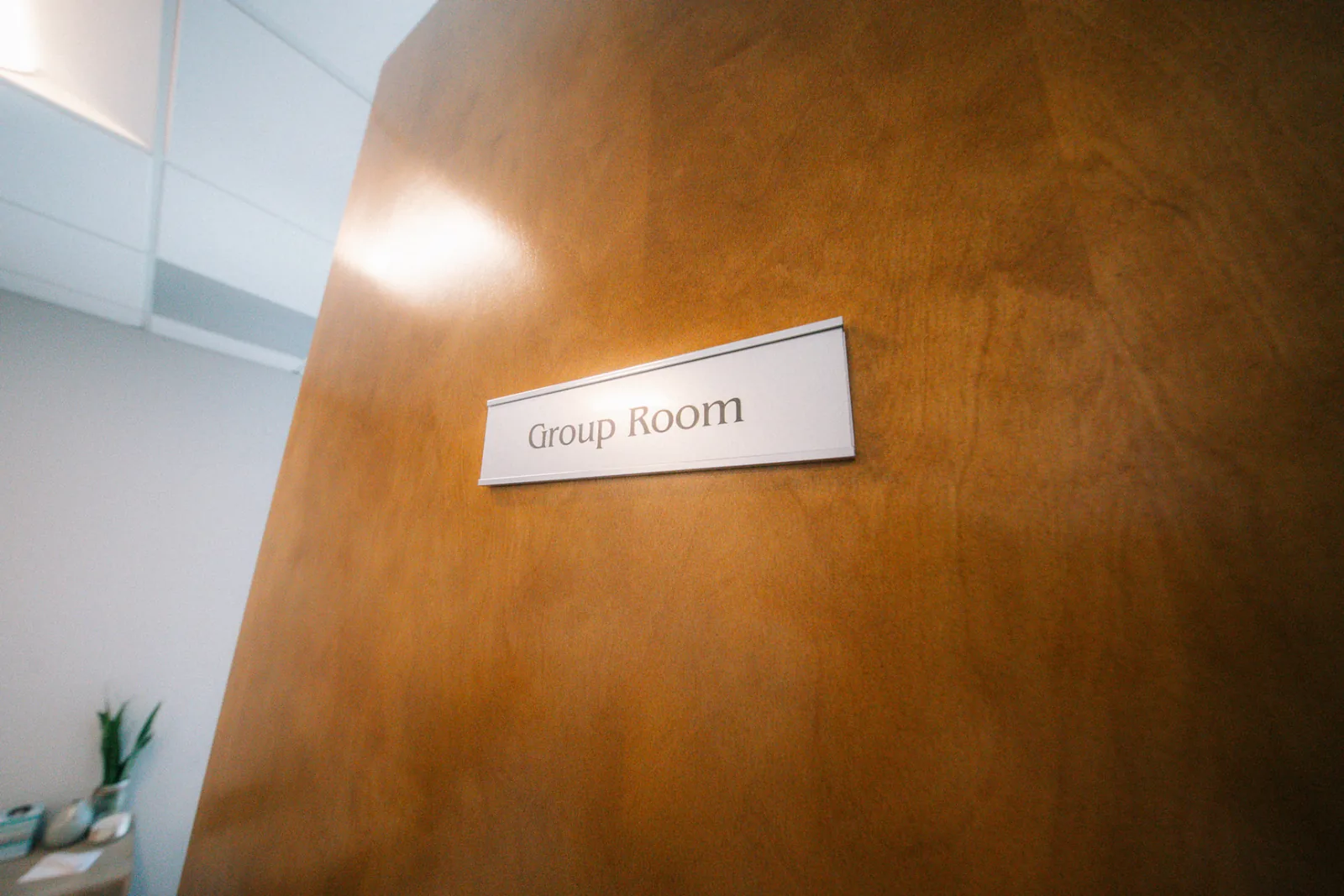
Group room entrance at the GMTC Brea facility
Welcoming office entrance at the GMTC Brea facility
Two people seated beside a presentation screen at the GMTC Brea facility

Frequently Asked Questions

What are the different levels of care for addiction treatment?

Levels of care range from weekly outpatient therapy up to 24-hour residential or inpatient treatment, with medical detox as a separate step when withdrawal needs monitoring. Our program covers the outpatient range: PHP, IOP and weekly outpatient therapy. When an assessment points to detox or residential care first, our team coordinates a referral.

Is IOP the same as outpatient?

No, although both are outpatient care. IOP gives structured groups and individual therapy three hours a day, five days a week, while standard outpatient care means weekly sessions. At our program, weekly outpatient therapy is a starting level when substance use is milder.

Is PHP the same as outpatient?

Yes, PHP is the most structured form of outpatient care. Clients spend most of the weekday in treatment and return home afterward, with no overnight stay. That places PHP one step below residential care and one step above IOP.

How is the right level of care decided?

Our team decides it through a clinical assessment that follows the ASAM Criteria. The assessment looks at withdrawal risk and physical health, along with mental health and support at home. Past treatment and relapse history then help set the starting level.

What are the three types of outpatient treatment?

The three main types are partial hospitalization (PHP), intensive outpatient programs (IOP) and standard outpatient therapy. We offer all three, so clients move between them with the same clinical team as their needs change.

Start Substance Abuse Treatment in Brea

Relapse risk is highest in the weeks after leaving detox or a residential program, so a free assessment now puts a plan in place during those weeks. Call or text our admissions team to schedule a free assessment for our addiction treatment programs in Brea, CA. You can also verify your insurance online first. After you contact us, we discuss what is happening, review your benefits and set a time for your assessment.

Accessibility settings

Cookies & privacy